Finding new clients for a recruitment agency
How a specialist recruiter could use hiring information to choose companies to approach.
An illustrative agency brief, three captured pages and proposed next steps. These companies are not GTME clients. No outreach was sent.
The example brief
Assume an agency places senior software engineers at software companies in the UK and US. It wants help finding potential clients, while its own team handles sales conversations.
Start with companies that fit that specialisation and territory. Check for relevant vacancies, remove existing clients and excluded accounts, and respect any stated restrictions on agency contact.
A vacancy shows hiring activity, not demand for agency support.
What the pages show
The screenshots illustrate the decisions below. They are not a live vacancies list.
Select a screenshot to view it at full size.
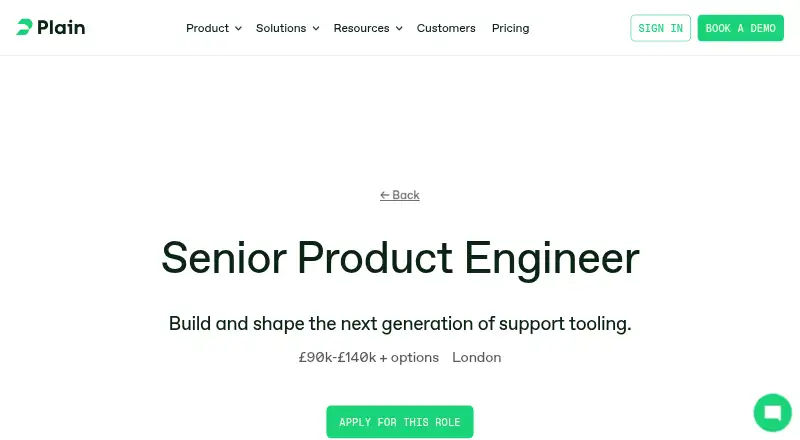
Plain: continue the research
The captured role page shows a Senior Product Engineer position in London. That matches the example agency's specialisation and territory.
Before contact: confirm vacancy status, agency policy and the appropriate hiring contact.
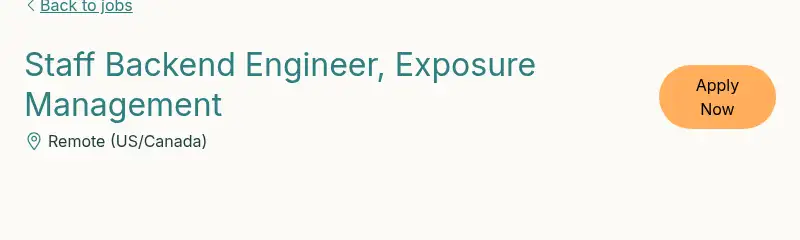
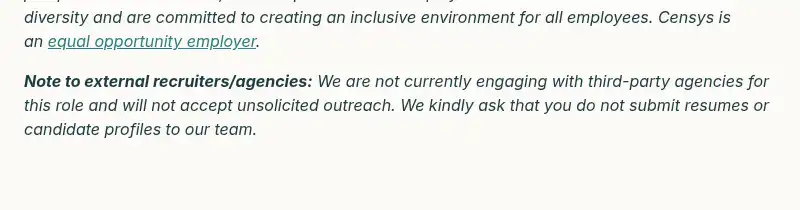
Censys: exclude this role
The captured Staff Backend Engineer, Exposure Management posting includes US locations and states: We are not currently engaging with third-party agencies for this role
.
Decision: exclude this vacancy. The stated policy rules out agency outreach for this role.
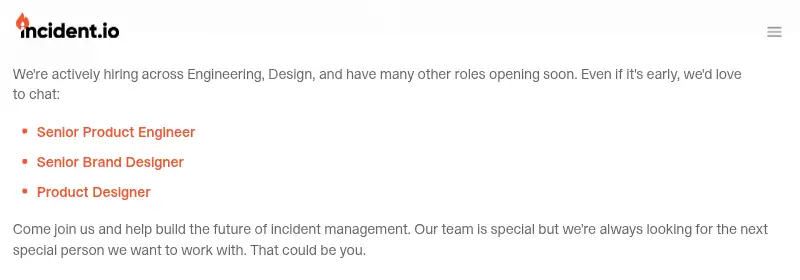
incident.io: check the role details
The captured article discusses engineering recruitment and links to a Senior Product Engineer role. The article alone does not establish the role's requirements, location or agency policy.
Decision: hold for more information. Inspect the specific posting and its conditions before deciding whether it fits.
Before contacting anyone
For an account kept in research, confirm vacancy status, agency policy and exclusions. Identify the hiring owner and check their business contact details before the agency reviews the message.
The agency then reviews the account and message. It would only make claims about specialisation or available candidates that it can substantiate.
An unsent message draft
The placeholders below would be filled only after those checks:
What happens after a reply
In a live campaign, a reply pauses follow-ups for review. An interested response goes to the agency with the source, qualification notes and conversation. An opt-out is recorded and prevents further outreach. A closed vacancy removes the reason for this message.
The agency owns the sales conversation and reports whether it led to a meeting or an opportunity. Those outcomes would be measured in a pilot.
What the agency would receive
A spreadsheet or CRM view containing each company, role, captured evidence, decision and remaining questions. Approved records would also include the contact, message, reply status and person responsible for the next step.
The downloadable sample contains the research stage. Contact enrichment, sending and reply handling are described here as proposed steps.